Samsung SDS Breaks Ground on AI Data Center in Gumi, Carrying Out Samsung’s KRW 60 Trillion Investment Plan for Southeastern Korea
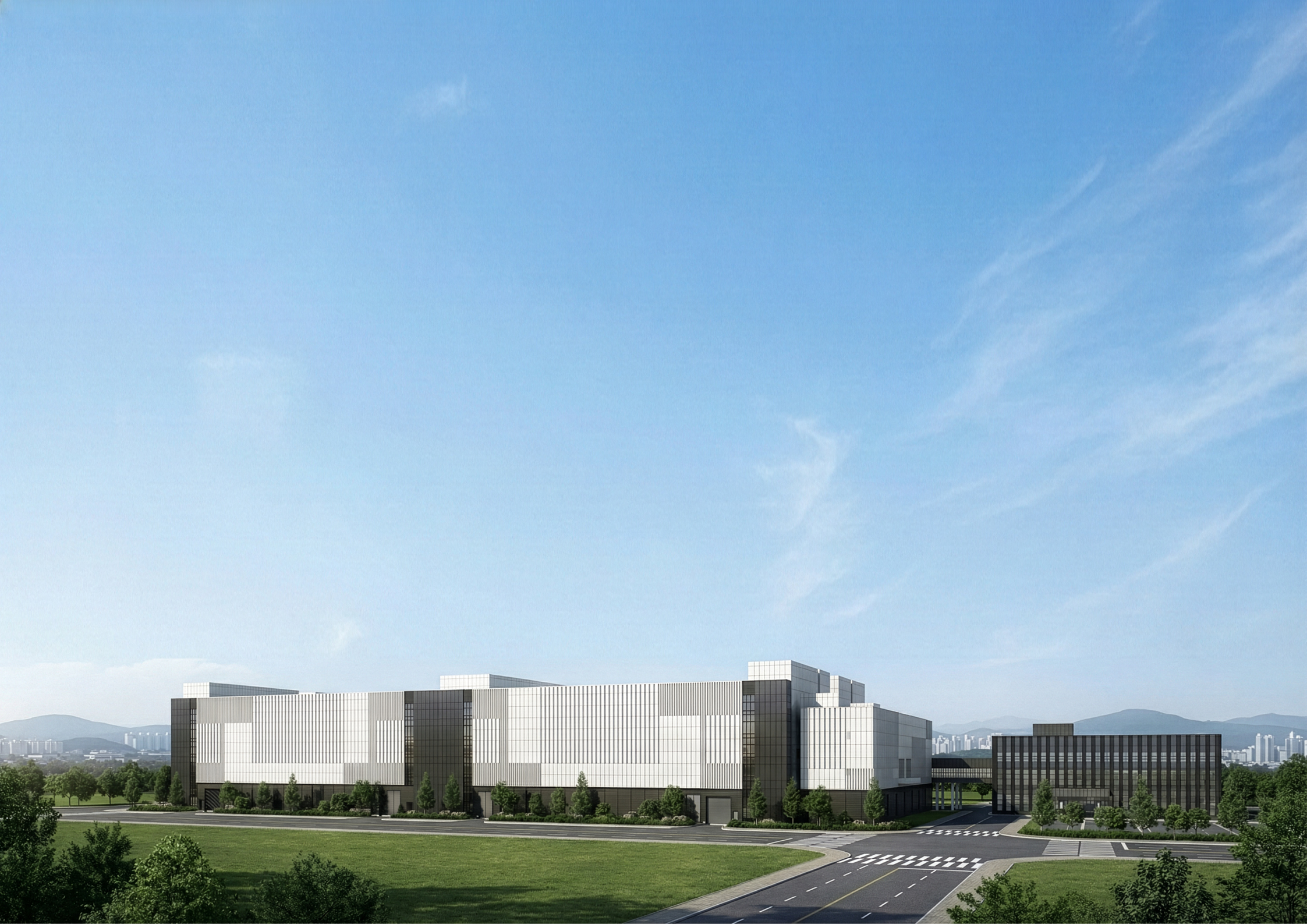
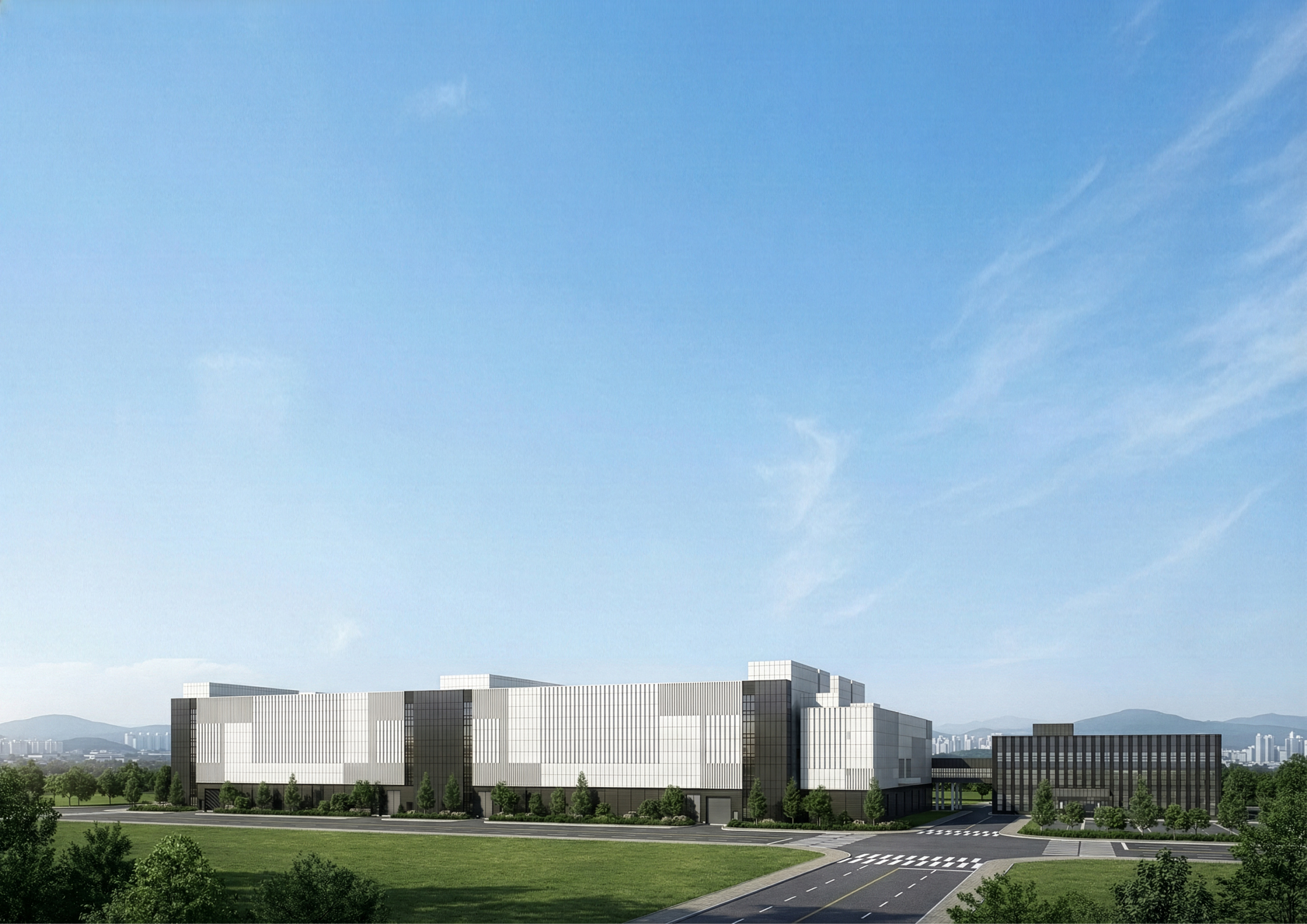
□ Constructing a large-scale dedicated AI data center on a 46,000 m2 site in Gongdan-dong, Gumi, Gyeongsangbuk-do
- Scheduled for completion by the end of 2028, with capacity to be expanded in phases from an initial 60 MW to a maximum of 120 MW
- First tangible outcome of Samsung’s KRW 60 trillion investment plan for the Yeongnam region of southeastern Korea, announced in July
- Contributing to the strengthening of Korea’s AI competitiveness and the local ecosystem for advanced industries, in line with the government’s three mega-projects
□ Latest technologies applied to hyperscale AI data center, optimized for high-performance GPU servers
- A flexible, scalable, and reliable hyperscale data center ready for future demand
- Can accommodate next-generation GPU servers, with hybrid cooling technology that combines air and liquid cooling
- Equipped with high-capacity power infrastructure, redundancy for key equipment, and an emergency power system
□ Samsung SDS to run both its own GPU infrastructure and a colocation business where customers install and use their own GPUs
- Supporting Samsung affiliates’ Robotics Transformation (RX) business while enhancing its external business capabilities
- Providing AI services to various external customers as well
Samsung SDS announced on November 2nd that it has broken ground on a dedicated AI data center in Gumi, Gyeongsangbuk-do, commencing its full-scale construction.
□ Constructing a Large-Scale Dedicated AI Data Center on a 46,000 m2 Site in Gongdan-dong, Gumi, Gyeongsangbuk-do
The AI data center in Gumi will be constructed on an approximately 46,000 m2 site in Gongdan-dong, Gumi, Gyeongsangbuk-do with an initial power capacity of 60 MW. This large-scale dedicated AI infrastructure was designed to expand in phases to a maximum of 120 MW to meet the rapidly rising demand for AI.
Construction has been underway since Gumi City approved the construction at the end of August 2026. The construction is scheduled for completion by the end of 2028.
The groundbreaking marks the first visible outcome of Samsung’s plan to invest approximately KRW 60 trillion to develop the Yeongnam region in southeastern Korea into a ‘global physical AI innovation cluster.’ The plan was announced in July at the ‘National Briefing on the Vision for Advanced Industrial Development of the Yeongnam Region,’ which was held at Gyeongsang National University in Jinju, Gyeongsangnam-do.
To lead the field of manufacturing AI, Samsung said it would focus the investment on humanoid robots and an AI data center (Gumi); all-solid-state batteries (Ulsan); package substrates for AI servers and multilayer ceramic capacitors (MLCCs) (Busan); and state-of-the-art, high-value-added vessels (Geoje).
By building the AI data center in Gumi, which will become the core infrastructure for the manufacturing and robotic automation industries, Samsung SDS will be able to secure key infrastructure to meet surging AI demand. In line with the government’s three mega-projects, the company plans to contribute to strengthening Korea’s AI competitiveness, revitalizing Gumi’s local economy, and expanding the AI industry ecosystem.
□ Latest Technologies Applied to Hyperscale AI Data Center, Optimized for High-Performance GPU Servers
The AI data center in Gumi was designed using expertise Samsung SDS has accumulated over 30 years of building and operating data centers.
With the aim of providing an operating environment for high-power IT equipment optimized for AI- and GPU-centric services, the center will be built as a flexible, scalable, and reliable hyperscale data center ready for future demand.
To operate the hyperscale data center, Samsung SDS will apply the latest technologies across its cooling and power infrastructure.
To effectively handle the high power demand and heat of high-performance GPU servers, the data center will have high-capacity power infrastructure, redundancy for key equipment, and an emergency power system to maximize service reliability.
Notably, to control the high heat generated in the server rooms, the data center will apply hybrid cooling technology that combines air and liquid cooling.
Air cooling will be applied to general server areas (e.g., network and storage) where relatively low heat is generated, while liquid cooling, which circulates water to remove heat, will be applied to high-density GPU server areas where heat is concentrated. This will create an efficient and stable operating environment.
The server rooms will be designed to accommodate racks of varying power densities and will be able to operate ultra-high-power racks reliably in the future.
The data center features a flexible design that can accommodate various AI systems, not limited to specific GPUs or services.
□ Samsung SDS to Run Both Its Own GPU Infrastructure and a Colocation Business Where Customers Install and Use Their Own GPUs
In addition to delivering services on GPU infrastructure Samsung SDS builds and operates itself, the company plans to run a colocation business that allows customers to install and use their own GPUs, providing AI services to diverse external customers.
The AI data center will be actively leveraged to support Samsung affiliates’ core businesses, as well as to strengthen Samsung SDS’s own external business capabilities.
In particular, in connection with the manufacturing Robotics Transformation (RX) business that Samsung affiliates have recently been ramping up, the center will play a pivotal role in areas that require large-scale computing, such as AI training for robots that perform precision tasks at manufacturing sites.
In January, Samsung SDS disclosed in a regulatory filing that it would invest KRW 427.3 billion to build the new data center in Gumi, and signed a memorandum of understanding (MOU) with Gyeongsangbuk-do and Gumi for the construction of the AI data center.
June-hee Lee, President and CEO of Samsung SDS, said, “AI is changing the way companies work and the competitiveness of industries. To ensure such changes lead to tangible results, a solid foundation is needed to process massive amounts of data and run AI reliably. The AI data center in Gumi will play exactly that role. We will leverage our accumulated experience in building and operating data centers, along with our cloud and AI technology capabilities, to create AI infrastructure that customers can trust.”
He added, “We will fully carry out our roles and responsibilities to contribute to the development of the local economy and the industrial ecosystem. At the same time, we will drive AI Transformation (AX) at manufacturing and industrial sites based on next-generation AI infrastructure while providing optimal AI full-stack services to customers.”


